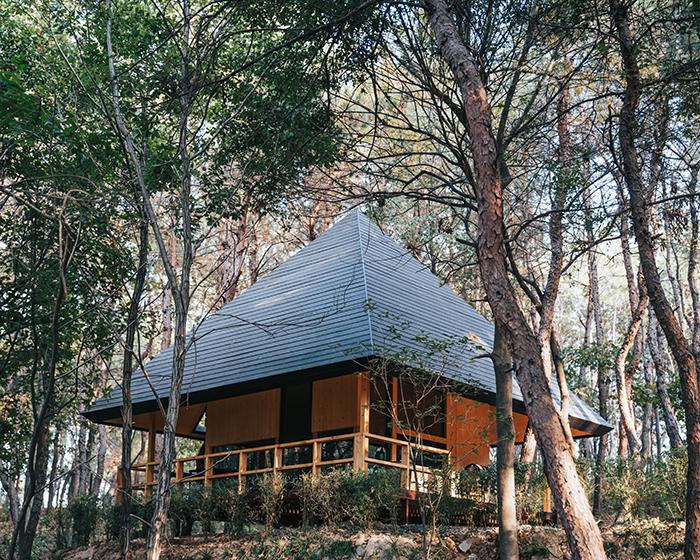
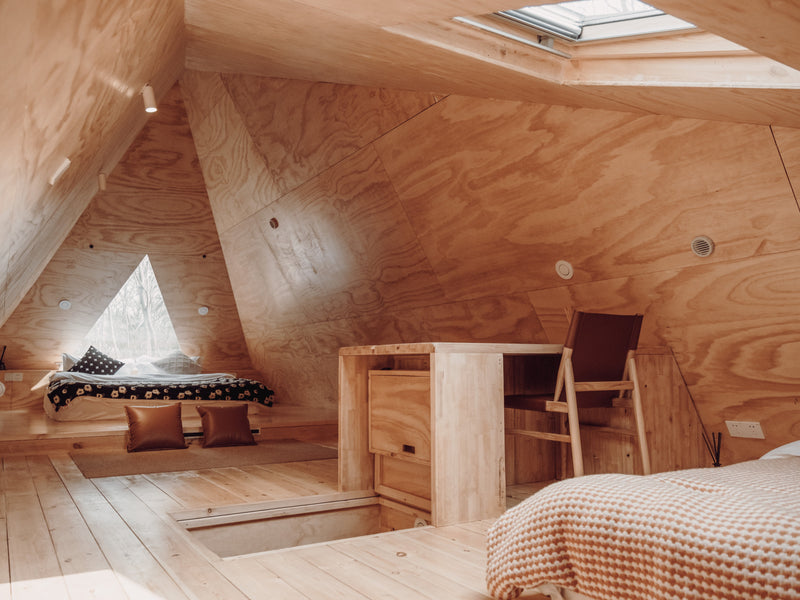
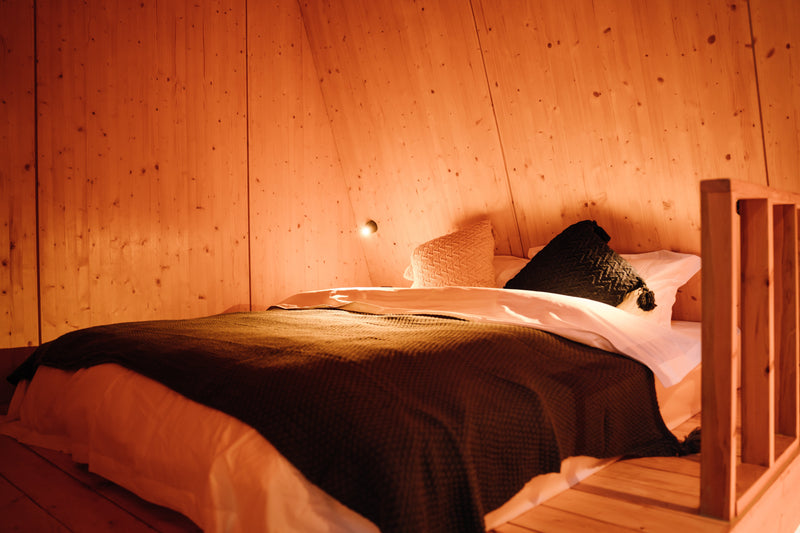
The dream of a log cabin is often associated with snowy landscapes and cozy winter nights. However, without a massive furnace running 24/7, many owners worry about the chill. The good news? Wood is a natural insulator. By using smart, passive design strategies, you can maintain a comfortable temperature inside your cabin even without active heating.
Here are the 5 most effective ways to winterize your log cabin and trap every bit of natural warmth.
1. Prioritize Insulation: Roof and Floor
Heat follows the laws of physics: it rises. In an uninsulated cabin, up to 70% of heat is lost through the roof and the floor.
The Roof: If you haven't built your cabin yet, opt for an insulated roof sandwich (timber-insulation-timber). For existing cabins, adding PIR insulation boards between the rafters can make a massive difference.
The Floor: Cold often seeps in from the damp ground. Installing silver-backed foil insulation or mineral wool under the floorboards creates a thermal barrier that keeps your feet warm.

2. Master the Art of "Chinking" and Sealing
Even the sturdiest log cabin can have tiny air gaps due to the natural expansion and contraction of timber.
Seal the Gaps: Use high-quality chinking or flexible wood sealant to fill any gaps between the logs.
Weatherstripping: Don't forget the doors and windows. Adding rubber weatherstripping to the frames prevents "drafts" from sucking the warm air out and replacing it with icy gusts.

3. Maximize "Solar Gain" (Free Heat from the Sun)
The sun is your best friend in winter. Even on a cold day, solar radiation can significantly heat up the interior.
Daytime: Keep your curtains and blinds wide open during the day, especially on south-facing windows, to let the sunlight soak into the wood.
Nighttime: As soon as the sun goes down, close heavy, thermal-lined curtains. These act as a "blanket" for your glass surfaces, which are the weakest points for heat loss.

4. Leverage Thermal Mass
Timber itself has "thermal mass," meaning it can store heat. You can enhance this by adding the right interior elements.
Heavy Rugs: Large, thick wool rugs help insulate the floor and hold onto the ambient heat.
Wall Hangings: In extreme climates, hanging tapestries or bookshelves against the walls adds an extra layer of protection against the cold exterior logs.

5. Control Humidity and Moisture
Damp air feels much colder than dry air and is harder to keep warm.
Ventilation: It sounds counterintuitive, but opening the windows for 10 minutes a day to let fresh, dry air in helps prevent moisture buildup.
Moisture Absorbers: Use passive dehumidifiers or silica gel packs to keep the interior air crisp and dry. Dry air retains heat much more efficiently than damp air.
A well-built log cabin is a sanctuary for all seasons. By focusing on insulation, sealing, and natural solar energy, you can enjoy a warm, cozy space without relying on expensive heating bills.